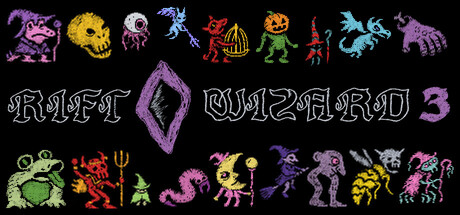
Rift Wizard 3 header art
Game InsightsQuality 90

Rift Wizard 3

Rift Wizard 3 is a build-heavy, turn-based roguelike focused on deep spellcraft and component-based crafting. It suits players who enjoy experimentation, tight tactical encounters, and multilayered build optimization. Reviewers praise the expanded spell list, crafting system, art, and music, while commonly warning about a steep learning curve, early difficulty spikes, and some balance/readability issues. The game is in Early Access and already has strong player interest.

Difficulty

85/100

Learning Curve

Steep, information-heavy

Pace

Tactical, deliberate

Replayability

82/100

Rift Wizard 3 Game DNA

Main Skills

strategic planningbuild optimizationresource managementturn-based tacticspattern recognition

Emotional Tone

challengingrewardingintenseexperimental

Mechanics

turn-based combatspell customizationequipment crafting from componentspermadeath roguelike runsportal/level selection

What Players Like About Rift Wizard 3

Deep build freedom

Players can access a very large spell list and combine spell upgrades with crafted equipment, enabling many distinct builds and experimentation each run.

Crafting gives player control

Component-based crafting replaces dropped consumables and equipment, letting players pursue specific artifacts and reduce some RNG in itemization.

Polished presentation

Multiple reviewers highlight the new hand-drawn art and soundtrack as strong improvements that enhance the game's atmosphere.

Tight, tactical levels

Smaller maps and focused encounters make fights feel puzzle-like and reward careful planning and positioning.

What Players Question In Rift Wizard 3

Steep learning curve and information overload

Many players report the game presents a vast amount of information at once and requires familiarity with systems to be effective.

Early difficulty spikes and balance concerns

Multiple reviews mention sharp difficulty spikes in early realms and discussions about balance where some encounters feel overtuned.

Readability and UI friction

Some players find searching and interpreting equipment/spell descriptions unintuitive; a number of reviews ask for clearer tooltips and UI improvements.

Occasional technical instability

At least one player reported frequent crashes; while not universal, technical issues have been reported in reviews.

Who Rift Wizard 3 Is For

  • Players who enjoy deep, build-focused turn-based roguelikes
  • Fans of strategic experimentation and puzzle-like tactical fights
  • Those who liked earlier Rift Wizard entries and want more complex crafting

Who Should Wait On Rift Wizard 3

  • Players seeking a casual or low-reading experience
  • Those who prefer consistently easy difficulty or frequent safety nets
  • Players who dislike long knowledge requirements to learn systems

Games Similar To Rift Wizard 3

Rift Wizard (series: Rift Wizard 1)

Direct series predecessor; reviewers recommend earlier entries as easier entry points and note shared roguelike, spell-driven core.

Confidence 95/100

Rift Wizard 2

Immediate series predecessor; many reviews compare RW3 to RW2 and describe system changes (removal of consumables/skills; addition of crafting).

Confidence 95/100

Path of Achra

Named by at least one reviewer as a point of comparison in feel and design for players who follow the genre.

Confidence 60/100

Rift Wizard 3 FAQ

Is Rift Wizard 3 worth playing now?

If you enjoy deep, build-driven roguelikes and challenging turn-based puzzles, many players and reviews recommend trying Rift Wizard 3 now (it's in Early Access). If you prefer a gentler introduction, reviewers suggest starting with earlier series entries first.

How difficult is Rift Wizard 3?

The game is commonly described as very challenging with steep early difficulty spikes; custom modes exist to tweak difficulty, but expect a tough learning curve at first.

How does Rift Wizard 3 differ from Rift Wizard 2?

Rift Wizard 3 removes consumables and skills in favor of a component-based crafting system for equipment, makes spells widely available from the start, and uses smaller, tighter levels—reviewers call it a significant design shift.

Is Rift Wizard 3 beginner-friendly?

Not especially; many reviews point to information overload and a high knowledge requirement. Some recommend trying RW1 or RW2 first if you want an easier ramp-in.

Are there technical or stability issues?

Most players report stable play, but at least one reviewer reported frequent crashes; technical reports appear limited but present in the review sample.

What should I expect from Early Access and updates?

The game is in Early Access; reviewers discuss balance and tuning as active topics and expect adjustments over time. The provided news/update bundle for this evidence set contained no published roadmap items.

Will I see a lot of variety across runs?

Yes—store and player reports highlight hundreds of spells, numerous crafting components, and deep build synergies that encourage experimentation and replayability.

More Game Insights

Compare Rift Wizard 3 With Other Games

Browse all insights
Master Healer Kale with useless party header art

Master Healer Kale with useless party

Master Healer Kale with useless party is a short incremental RPG where you play as a healer supporting a comically unreliable party. The store lists a ~4 hour core run with a large skill tree (200+ upgrades) and 18 active spells. Player reviews are Very Positive and consistently praise the satisfying healer-focused gameplay, accessible learning curve, and value for price, while several players report limited endgame content and a handful of technical issues. A nightmare/post-game mode exists for extra challenge.

Cursemark header art

Cursemark

Cursemark is an Early Access action roguelite that blends melee and spellcasting with an extensive rune system for near‑limitless build variety. Reviews are largely positive about the combat variety, exploration of secrets, and world design, though players frequently call out a steep difficulty curve, occasional bugs/performance issues, and some combat feel or control rough edges. The developer has released rapid patches since launch, and player sentiment suggests it's worth trying for players who enjoy experimentation and high challenge but may frustrate those who prefer polished, forgiving action.

Arms of God header art

Arms of God

Arms of God is a single-player roguelite autoshooter that mixes bullet‑heaven waves with weapon‑merging buildcraft. It ships with 60 weapons, 10 heroes, 60 handcrafted levels, a progression hub, Doom‑inspired metal music, and Steam Deck support. Reviews (Very Positive across ~743 reviews) praise the aesthetic, soundtrack, satisfying combat and build variety; common caveats in player feedback include early access bugs, balance issues, controller/menu friction, and some resource/upgrade complexity. Fans of Brotato/Vampire Survivors‑style arena runs who enjoy experimenting with weapon synergies and short, intense sessions will likely find Arms of God compelling in its current early access state.

Featured Game Insights

Featured games worth checking next

Browse all insights
How To Grow a Black Hole header art

Featured

How To Grow a Black Hole

How To Grow a Black Hole is a chill incremental clicker about feeding, upgrading, and stabilizing a growing black hole. The store page frames it as light, not-academic fun with research trees, leaderboards and bite-sized facts. Player reviews are Mostly Positive: many praise the visuals, satisfying progression, and developer responsiveness, while a number report performance or launch issues and some find late-game balance or UI clunky. The developer has issued quick hotfixes and a quality-of-life update (offline simulation, leaderboards, UI and performance tweaks), so the game is actively being refined. Good fit for clicker/idle fans who want a short-session, numbers-driven experience with occasional strategic tension; less suited to players seeking strict astrophysics or highly polished, bug-free releases right at launch.

MECCHA CHAMELEON header art

Featured

MECCHA CHAMELEON

MECCHA CHAMELEON is a casual multiplayer hide-and-seek where you paint your white avatar to blend into stages. The painting and mimicry mechanics create creative, social matches that players repeatedly praise when played with friends. Reviews are Mostly Positive: common praise for party fun and creativity is balanced by frequent reports of UI roughness, server/connect issues, limited maps, and motion-sickness for some players. The developer has issued multiple quick fixes and announced further updates, indicating active post-launch support.

Mesmalie header art

Featured

Mesmalie

Mesmalie is an occult point-and-click visual novel that pairs branching dialogue, exploration, and short minigames with a handcrafted art style and original soundtrack. The store page highlights chapter select, multiple endings, and many interactable secrets; player reviews rate it Very Positive and frequently praise the writing, characters (especially Mesmer), music, and replayability. A small post-launch patch was released the day after launch, indicating active early support. Expect a compact, emotionally resonant experience with some brief control quirks reported on certain input devices and a short total playtime.

Built from store details, player reviews, and update notes for Rift Wizard 3. Generated from available Steam data and review signals. Last generated: 6/30/2026.