Get To The Top header art
Game InsightsQuality 90Released Jul 10, 2024

Get To The Top

Get To The Top is a punishing hook-climbing game for players who enjoy repeated failure, careful control, and eventually earning progress. The store page frames it as a difficult ascent built around hooks and persistence, while the small review sample leans positive despite calling out how hard and frustrating it can be.

Release Date

Jul 10, 2024

Difficulty

94/100

Learning Curve

Very steep

Pace

Stop-start

Replayability

67/100

Get To The Top Game DNA

Main Skills

PatienceHand-eye coordinationPrecision timingPersistence

Emotional Tone

FrustrationTensionTriumph

Mechanics

Hook climbingKeyboard movementMouse-controlled handsFalling recovery

What Players Like About Get To The Top

Distinct climbing hook setup

Get To The Top centers on climbing with hooks, giving it a clear identity within the difficult ascent genre.

Persistence-driven progress

The design rewards repeated practice, with progress meant to come from learning through failure.

Focused solo project

It was made by one developer, which gives Get To The Top a compact and personal feel.
What Players Question In Get To The Top

Very punishing falls

Reviews repeatedly mention dropping back down and having to rebuild progress after mistakes.

Awkward controls

The mouse-and-hand setup can feel unfamiliar and demanding until you adapt to it.

High frustration factor

Player comments describe the game as maddening at times, even when they like the challenge.

Who Get To The Top Is For

  • Players who like brutal climbing challenges
  • Fans of repeated-failure skill games
  • People comfortable with awkward controls
  • Players who enjoy earning progress slowly

Who Should Wait On Get To The Top

  • Players wanting a relaxed experience
  • Anyone frustrated by frequent restarts
  • Players who dislike punishing difficulty
  • People looking for smooth, forgiving controls

Games Similar To Get To The Top

Getting Over It with Bennett Foddy

The developer says Get To The Top was inspired by it, and both center on punishing climbing through repeated failure.

Confidence 96/100

A Difficult Game About Climbing

The developer names it as an inspiration, and Get To The Top shares its hard, ascent-focused design.

Confidence 95/100

Get To The Top FAQ

Is Get To The Top worth playing now?

Yes, if you want a very hard climbing challenge and do not mind frequent falls. The small review sample is positive, but the game is clearly niche and unforgiving.

How difficult is Get To The Top?

It is very difficult. The store page calls it difficult and says only persistent players will make it to the top, while reviews describe it as a brutal struggle.

What kind of gameplay does Get To The Top have?

You climb upward using hooks, with keyboard movement and mouse-controlled hands shaping the challenge.

Does Get To The Top support controller play?

Yes. The store page lists DualShock controller support and partial controller support.

Is Get To The Top a good fit for short play sessions?

Usually yes. Its structure encourages repeated attempts, so it works well for brief, stop-and-start sessions rather than relaxed long runs.

What games is Get To The Top inspired by?

The developer says it was inspired by Getting Over It with Bennett Foddy and A Difficult Game About Climbing.

Is Get To The Top beginner friendly?

Get To The Top may not be beginner friendly if you dislike high-pressure play, but it can work for players who enjoy learning through practice.

More Game Insights

Compare Get To The Top With Other Games

Browse all insights
Dorke and Ymp header art

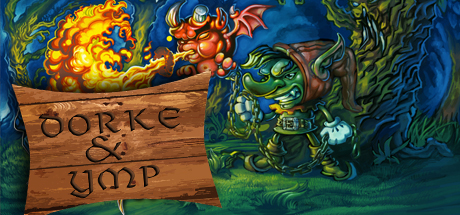
Dorke and Ymp

Dorke and Ymp is a restored 16-bit puzzle platformer with over 40 levels, a password system, boss fights, and roughly 10 hours of advertised content. Its colorful retro presentation and unusual preservation story appeal to SNES enthusiasts, but very high difficulty, clunky controls, obscure progression, and reported launch or emulation problems make it a cautious recommendation rather than an easy buy.

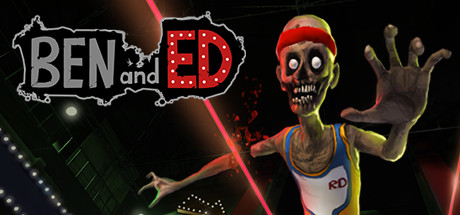
Ben and Ed header art

Ben and Ed

Ben and Ed is a 3D platformer with a dark comedy setup and a strong skill-check focus. You control Ed the Zombie through trap-filled obstacle courses in a twisted game show, aiming to save Ben while surviving hazards, collecting content, and chasing extra challenges. Player reviews are very positive overall, with many praising the creativity, memorable concept, and fun movement, while also noting that the game can get very difficult, occasionally frustrating, and somewhat buggy. It looks like a good fit for players who enjoy tough platformers with a weird sense of humor and do not mind repetition or rough edges.

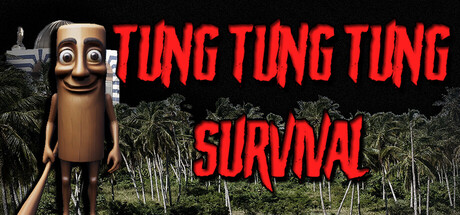
Tung Tung Tung Survival header art

Tung Tung Tung Survival

Tung Tung Tung Survival is a first-person single-player survival-horror set on a dense 1km × 1km island. You scavenge scattered boat parts while avoiding a relentless pursuer who reacts to noise and light. Player reviews are mixed: many praise the tense atmosphere and exploration loop, while numerous reports describe bugs, balance issues, and frustrating enemy behavior. The developer has issued early patches that double flashlight stun power, reduce attack range, and add a skip for the opening cutscene, which address several major complaints but do not eliminate all player-reported issues.

Featured Game Insights

Featured games worth checking next

Browse all insights
hololive Dreams header art

Featured

hololive Dreams

hololive Dreams is a fan-forward rhythm game and RPG built around hololive music, chibi characters, theme park development, and mini-games. The store page positions it as approachable for both fans and newcomers, with auto-play, easy options, and a large launch song list, while player reviews are mixed overall and frequently point to PC-port friction, long progression gating, and grindy side content. It looks most appealing if you want hololive presentation first and are comfortable with a casual, mobile-style structure.

How To Grow a Black Hole header art

Featured

How To Grow a Black Hole

How To Grow a Black Hole is a chill incremental clicker about feeding, upgrading, and stabilizing a growing black hole. The store page frames it as light, not-academic fun with research trees, leaderboards and bite-sized facts. Player reviews are Mostly Positive: many praise the visuals, satisfying progression, and developer responsiveness, while a number report performance or launch issues and some find late-game balance or UI clunky. The developer has issued quick hotfixes and a quality-of-life update (offline simulation, leaderboards, UI and performance tweaks), so the game is actively being refined. Good fit for clicker/idle fans who want a short-session, numbers-driven experience with occasional strategic tension; less suited to players seeking strict astrophysics or highly polished, bug-free releases right at launch.

Imperial Ambitions header art

Featured

Imperial Ambitions

Imperial Ambitions is a turn-based 4X about exploration, trade, social classes, and tactical wars set in the age of imperialism. You manage agents, link units into columns, plant and replant resources, and balance a trait-driven population across five social tiers. Early player feedback praises its depth and spiritual ties to Imperialism II and Colonization, while noting crashes, heavy memory use, and a thin tutorial. The solo developer has issued rapid launch-week patches, and the store page highlights 40+ goods, novel movement, and agent-driven empire play. If you enjoy economy-focused grand strategy with deliberate, board-game-like pacing, this is a promising pick—with caveats around onboarding and optimization.

Built from store details, player reviews, and update notes for Get To The Top. Low confidence because public review evidence is sparse. Last generated: 7/19/2026.